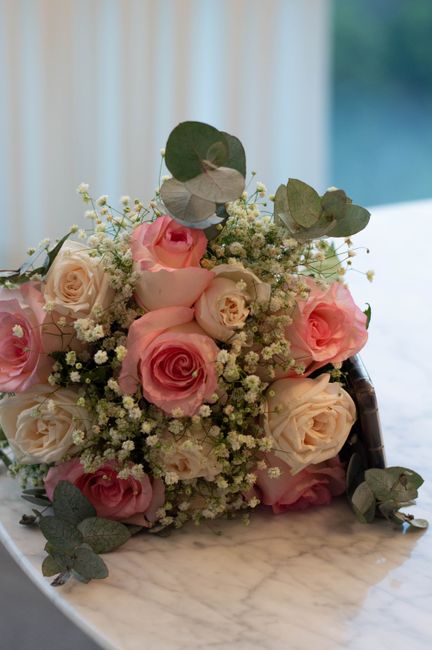
Wedding Florist East Dulwich Dulwich Picture Gallery
Posted on 08/10/2026
Planning wedding flowers for Dulwich Picture Gallery is one of those details that looks simple from the outside, but once you start comparing bouquets, buttonholes, ceremony styling and table flowers, it quickly becomes a proper project. If you are searching for a Wedding Florist East Dulwich Dulwich Picture Gallery, you probably want more than pretty blooms. You want flowers that suit the venue, work with the light, arrive on time, hold up beautifully through the day, and feel like your wedding rather than a copy of someone else's.
That is the real job here: combining style, logistics and calm planning. In a venue like Dulwich Picture Gallery, where the setting already carries a lot of atmosphere, the best flowers don't shout. They frame the space, soften hard edges, and make the whole day feel considered. This guide walks through what to expect, how to plan it properly, and how to avoid the little mistakes that can become surprisingly expensive on the day.
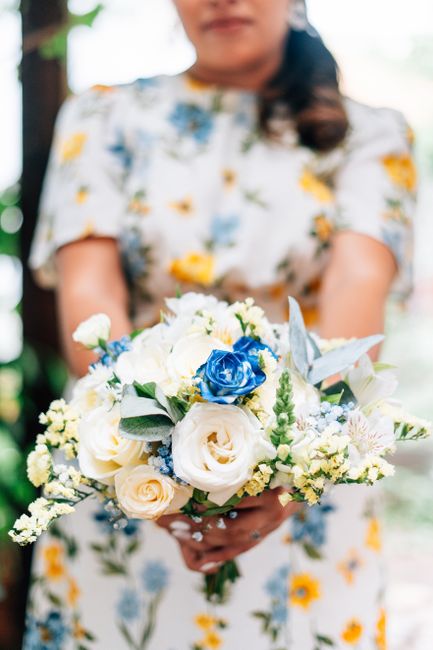
Table of Contents
- Why Wedding Florist East Dulwich Dulwich Picture Gallery Matters
- How Wedding Florist East Dulwich Dulwich Picture Gallery Works
- Key Benefits and Practical Advantages
- Who This Is For and When It Makes Sense
- Step-by-Step Guidance
- Expert Tips for Better Results
- Common Mistakes to Avoid
- Tools, Resources and Recommendations
- Law, Compliance, Standards, or Best Practice
- Options, Methods, or Comparison Table
- Case Study or Real-World Example
- Practical Checklist
- Conclusion
- Frequently Asked Questions
Why Wedding Florist East Dulwich Dulwich Picture Gallery Matters
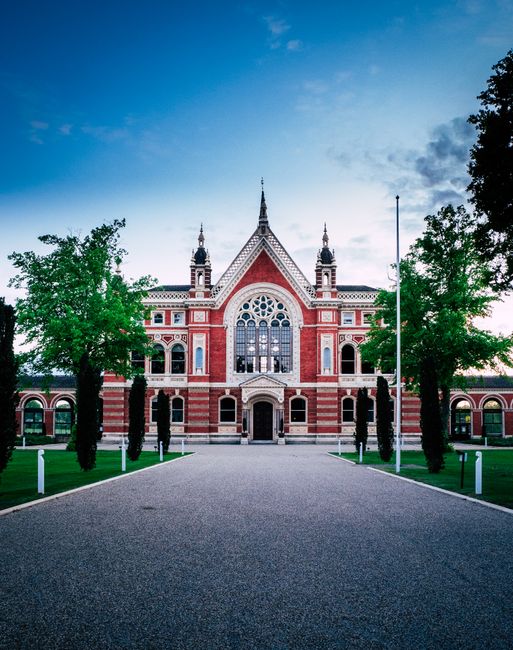
Weddings at Dulwich Picture Gallery tend to reward thoughtful, restrained design. The venue has an elegant, gallery-like feel, so flowers need to complement the architecture rather than compete with it. That sounds obvious, but in practice it changes everything: the scale of arrangements, the colour palette, the choice of vessels, and even the way bouquets photograph in the soft indoor light.
A local wedding florist understands the practical side too. East Dulwich and the surrounding South London area can be lively, busy and not always forgiving when you are transporting delicate arrangements. Anyone who has tried to wrestle tall centrepieces into a car boot on a damp London morning will know the feeling. Flowers need to be packed, moved and installed with care, and there is no room for casual guesswork when timing is tight.
It also matters because your flowers are doing more work than people realise. They help define the ceremony look, create flow between spaces, signal your colour story, and give photographers something cohesive to capture across the day. A strong florist does not just sell flowers; they shape the visual rhythm of the wedding.
And let's be fair, weddings can become a blur. If your flowers are right, you notice the calm. If they are wrong, you notice that too. Every single time.
Expert summary: For a venue like Dulwich Picture Gallery, the best floral design is usually elegant, balanced and intentional. Focus on proportion, timing and a palette that suits the architecture as much as the bridal party.
How Wedding Florist East Dulwich Dulwich Picture Gallery Works
The process usually starts with a conversation about the venue, the season, your outfit, your colour preferences and the overall mood of the day. Are you after classic romance, modern minimalism, something garden-inspired, or a more dramatic evening look? A good florist will ask about these things before they talk about stems. That is the right order.
From there, the florist typically builds a plan that covers bridal bouquet, bridesmaid bouquets, buttonholes, ceremony flowers, table arrangements and any extra pieces such as aisle flowers or entrance displays. If you are keeping things simple, you may only need a handful of key arrangements. If you want a full styled finish, the design can expand across the venue in a more immersive way.
For a venue like Dulwich Picture Gallery, the practical details matter just as much as the design. You need to know when access starts, where flowers can be set down, how long installation will take, and whether arrangements need to be moved between spaces during the day. Sometimes that means working with a florist who understands tight schedules and can keep the setup streamlined. Nothing fancy. Just competent, tidy, calm.
Once the design is agreed, a florist will usually confirm flower choices based on seasonality and availability. Seasonal flowers often look fresher and behave better, especially for longer wedding days. If you want a more specific look, such as white roses, lisianthus or orchids, that can absolutely be done, but it helps to understand what may need replacing if certain stems are unavailable.
If you are browsing options online, pages like wedding collections can be useful for narrowing down style quickly, while the dedicated wedding flowers in East Dulwich page is a helpful starting point for the broader service range.
Key Benefits and Practical Advantages
There are a few reasons couples choose a specialist wedding florist rather than piecing everything together themselves. The obvious one is aesthetics. The less obvious one is peace of mind. On a wedding day, that matters a lot more than people admit.
- Venue-aware design: Flowers can be scaled to suit gallery spaces, ceremony areas and reception tables without overwhelming the room.
- Better timing: Fresh flowers need careful delivery and installation planning, especially for morning ceremonies or split-location weddings.
- Seasonal guidance: A florist can suggest stems that will look best at the right time of year and handle better through the day.
- Colour consistency: Matching bouquets, buttonholes and table arrangements is harder than it looks. A professional eye keeps everything cohesive.
- Less stress: You are not trying to source, condition, transport and assemble flowers yourself the night before your wedding. That alone is worth something.
- Photo-friendly styling: Flowers that are carefully placed can improve the overall look of your ceremony images and table photos.
There is also flexibility. Maybe you want a few premium statement pieces rather than flowers everywhere. Maybe you need to work to a budget and want impact where it counts. A florist can help you decide whether it is better to invest in the bridal bouquet and ceremony focal points, or spread the spend more evenly across the venue. Both approaches can work.
For couples wanting something refined and easy to coordinate, browsing options like bridal bouquets, bridesmaid bouquets and buttonholes can help you see how the core pieces sit together before you commit.
Who This Is For and When It Makes Sense
This kind of florist support makes sense for several types of couples. If you are planning an intimate wedding and want a polished result without overcomplicating the day, it is a smart move. If you are hosting a larger celebration and need multiple floral elements to feel joined-up, it becomes even more valuable. And if you simply care about the look of the day, well, that is reason enough.
It is especially useful when:
- you want a cohesive floral story rather than random individual arrangements
- you are getting married at a venue with strong visual character, such as Dulwich Picture Gallery
- you need a florist who can advise on scale, placement and timing
- you have bridesmaids, buttonholes, table pieces or ceremony flowers to coordinate
- you are juggling transport, access times and a fairly packed wedding schedule
- you want realistic advice about what is possible within your budget
It also makes sense if flowers are not your specialist subject. To be honest, that is most people. You might know you like roses but not know the difference between a tight posy and a hand-tied bouquet, or why one arrangement works better in a shallow vase than another. A decent florist will translate that into normal language, which is refreshing.
If your celebration includes gifts or extra styling touches, you may also find useful pieces on wedding gifts and engagement flowers if you are planning in stages.
Step-by-Step Guidance
Here is the simplest way to approach wedding flowers for Dulwich Picture Gallery without losing the plot halfway through.
- Define the feel of the day. Start with mood, not stems. Soft and romantic? Bright and joyful? Elegant and restrained? The feeling guides the flower choices.
- Map the spaces. Think through where flowers are actually needed: ceremony area, entrance, table settings, aisle, bridal prep, photos. Not every wedding needs everything.
- Choose your priorities. If the budget is limited, decide what matters most. For many couples, that is the bouquet, buttonholes and ceremony flowers.
- Check the season. Ask what flowers are likely to be available around your wedding date. Seasonal choices often give the best value and freshness.
- Confirm colour and scale. A small bouquet can look lost in a grand space, while large arrangements can overwhelm a more intimate setup. Balance matters.
- Agree logistics early. Delivery time, setup access, collection if needed, and any venue rules should be confirmed before finalising the order.
- Review the final plan. A clear written summary avoids confusion later. It sounds basic, but basic is good when weddings are involved.
One practical tip: if you can, bring photos of the venue and your outfit inspiration to the consultation. Even a few screenshots help. A florist can read visual cues quickly, and that saves time. Also, if you have a strong preference for white and green, blush tones, or bolder mixed colours, say so early. Don't assume it is obvious. It rarely is.
If you are exploring product-style inspiration, pages such as table arrangements and wedding corsages can help you think through the smaller details that often make the whole scheme feel finished.
Expert Tips for Better Results
After enough wedding planning conversations, a few patterns become very clear. The best results usually come from couples who keep their brief clear, stay open to seasonal advice, and avoid trying to force too many competing ideas into one day.
1. Let the venue do some of the work
Dulwich Picture Gallery already brings a certain warmth and structure to the event. You do not need flowers to do everything. In fact, fewer, better-placed arrangements often look more expensive than lots of small ones.
2. Think in levels
Visual interest comes from height, texture and spacing. A florist can build this into the design so your flowers look balanced in person and in photographs. This is especially helpful for table styling, where flat arrangements can look a bit lifeless.
3. Use one strong thread throughout
That might be a colour, a flower type or a shape. For example, white roses repeated in the bouquet, buttonholes and centrepieces can create a calm, elegant thread. Or you might prefer a softer wildflower feel with mixed stems and movement. Either works if it is consistent.
4. Do not overlook smaller pieces
Buttonholes, corsages and bridesmaid bouquets can make a big difference to how polished everything feels. They do not need to be identical, but they should feel part of the same family.
5. Ask about hard-working flowers
Some stems simply handle weddings better. A florist will often suggest flowers that keep shape well, travel safely and still look fresh later in the day. That is the kind of advice worth listening to.
One slightly unglamorous but important point: if your ceremony and reception are spread out over a long day, choose arrangements that can survive a bit of time out of water. Pretty is great. Lasting is better.
Common Mistakes to Avoid
Most floral problems are avoidable, which is the annoying part. They usually happen because something gets left too late or the scale is not properly thought through.
- Booking too late: Popular wedding dates fill quickly, and florists need time to source and plan properly.
- Ignoring the venue: Flowers that look lovely in a studio photo may not suit the scale or tone of Dulwich Picture Gallery.
- Overstuffing the brief: Too many ideas can make the design feel muddled. Simple, clear direction works better.
- Choosing flowers by image only: A photo on its own does not tell you how long the flowers last, how they travel, or how they work seasonally.
- Forgetting logistics: If the florist cannot access the venue at the right time, everything becomes more stressful than it needs to be.
- Splitting the look across too many styles: A romantic bouquet with rustic table flowers and modern buttonholes can feel disjointed unless carefully managed.
A lot of couples also underestimate how much movement there is on the day. Flowers are not just for the ceremony; they are carried, photographed, placed on tables, moved for speeches, and sometimes repurposed. If your plan does not account for that, the nice idea on paper can go a bit sideways.
And yes, we have all seen the last-minute scramble where somebody says, "It'll be fine." Usually, that means it won't be fine.
Tools, Resources and Recommendations
You do not need a huge toolkit to plan good wedding flowers, but a few simple things make the process much easier.
- Mood board: Use a small set of images, not fifty. Aim for a clear visual direction.
- Venue photos: Send in images of the space, especially if the florist has not worked there before.
- Outfit details: Dress, suit colours and fabric textures all affect flower choices.
- Guest list and layout: Table count and ceremony format influence the number and size of arrangements.
- Budget range: A realistic budget allows the florist to recommend the right level of design without wasted time.
Useful pages on the site can help with planning and related questions. For example, flower care advice is helpful if you are receiving flowers in advance or want to keep any arrangements fresh for longer. For delivery and timing expectations, the delivery information page is also worth a look.
If you are comparing styles, you can also browse broader categories such as luxury flowers or florist's choice when you are not sure of the exact stems yet. That flexibility can be useful during early planning.
Law, Compliance, Standards, or Best Practice
Wedding floristry is not usually a heavily regulated service in the way some industries are, but there are still standards and practical duties that matter. A trustworthy florist should be clear about order terms, delivery arrangements, substitutions and refund handling. Those policies matter even more for weddings because timing is critical and there is often no realistic second chance.
In the UK, good practice also means handling customer data carefully when you are dealing with names, addresses, wedding dates and contact details. A proper privacy notice, clear terms and transparent payment information are basic expectations. So is honest communication about what can and cannot be guaranteed, especially when flowers are seasonal and weather-sensitive.
Venue rules are another practical part of best practice. Some venues limit candle use, require certain setup windows, or restrict fixings to walls and historic surfaces. Even when flowers themselves are straightforward, installation needs to respect the venue's own requirements. A sensible florist will ask about access, floor protection and collection plans rather than assuming everything will be easy. That one question can save a headache later.
There is also an ethical side to consider. Many couples now ask about sustainability, locally sourced blooms, and waste reduction. If that matters to you, say so early. It may shape flower selection, packaging and how arrangements are repurposed after the event. If you want to explore that side of the business, the site's sustainability page gives a better sense of the approach.
None of this needs to feel formal or stiff. It is really just about professionalism. Weddings are emotional enough without unclear terms and last-minute surprises.
Options, Methods, or Comparison Table
Different couples want different levels of floral involvement. The right choice usually depends on budget, venue scale and how much visual impact you want.
| Approach | Best for | Strengths | Trade-offs |
|---|---|---|---|
| Simple bouquet-led styling | Intimate weddings or tighter budgets | Clean, elegant, easy to manage | Less dramatic venue impact |
| Core package styling | Most standard weddings | Balanced look across bouquet, buttonholes and tables | Requires a bit more planning |
| Full venue floral styling | Large or highly visual celebrations | Strong atmosphere, cohesive finish | Higher cost and more logistics |
| Seasonal florist's choice | Couples who want flexibility | Often fresher and better value | Less control over exact stems |
If you are unsure, the middle route is often the safest. A well-chosen bouquet, coordinated buttonholes and a few table pieces can give a polished result without trying to flower every surface in sight. Truth be told, that is where many of the nicest weddings land.
For inspiration, you might compare bridal bouquets with table arrangements and buttonholes to see how the main components work together.
Case Study or Real-World Example
Consider a couple planning a late-spring wedding at Dulwich Picture Gallery. They wanted something elegant but not too formal, with a palette that felt soft in daylight and warm enough for evening photos. Their first instinct was to order lots of different flowers they had seen online. White roses here, blush peonies there, a few wild stems, something dramatic for the tables. Nice ideas individually, but together it felt noisy.
After talking it through, they narrowed the brief to white, cream and soft green, with gentle texture rather than too many colours. The bridal bouquet became the main feature, bridesmaids carried smaller matching versions, and the ceremony flowers were designed to work later as reception table arrangements. That made the budget work harder, and it also simplified the delivery plan. Less moving around. Less fuss. More calm.
On the day, the flowers felt like part of the venue rather than decoration layered on top. The bouquets photographed cleanly against the gallery setting, and the table arrangements held their shape through dinner. Nothing flashy. Just lovely, well judged, and easy to enjoy. Which, frankly, is the ideal.
That kind of result rarely comes from rushing. It usually comes from giving the florist enough context and trusting a few sensible recommendations.
Practical Checklist
Use this checklist before you finalise your wedding flowers for Dulwich Picture Gallery:
- Confirm your wedding date and venue access times
- Decide your overall style and colour palette
- List the flowers you definitely need
- Note any flowers you love, and any you dislike
- Share venue photos and dress or suit images
- Set a realistic budget range
- Ask what is seasonal around your date
- Confirm delivery, setup and collection details
- Check whether any arrangements will be moved during the day
- Review substitution, payment and cancellation terms
- Ask about sustainability or repurposing options if relevant
Quick reminder: if a decision feels too vague, slow it down and ask for clarification. A good florist would rather answer one more question than guess wrong.
Conclusion
Choosing a Wedding Florist East Dulwich Dulwich Picture Gallery is really about finding someone who can balance beauty with practicality. That combination matters more than people think. Flowers should suit the venue, hold up through the day, and make the whole celebration feel more like you without becoming one more thing to worry about.
Start with the feeling you want, stay honest about budget and logistics, and keep the design clear. If the florist understands the venue and asks the right questions, you are already most of the way there. The rest is good planning, a bit of trust, and some very lovely flowers doing what they do best.
Get a free quote today and see how much you can save.
And if you are still deciding, that is fine too. Take your time, look at the options, and choose the flowers that make the day feel calm, elegant and properly yours.
Frequently Asked Questions
What flowers work best for a wedding at Dulwich Picture Gallery?
Elegant, balanced flowers usually work best, especially arrangements that suit the gallery's strong architectural feel. White roses, lisianthus, orchids, seasonal greens and soft-textured stems are often popular because they feel refined without overwhelming the space.
How far in advance should I book a wedding florist in East Dulwich?
It is sensible to book as early as you can, especially for popular wedding dates. Early booking gives you more choice, more planning time and less risk of compromise on flower availability or delivery logistics.
Can a florist help with both bouquets and venue styling?
Yes, and that is usually the best approach. A florist can coordinate bridal bouquets, bridesmaid flowers, buttonholes, ceremony pieces and table arrangements so the whole day feels visually connected.
Do I need expensive flowers for a venue like Dulwich Picture Gallery?
Not necessarily. Thoughtful design matters more than simply spending more. A smaller number of well-chosen arrangements can look more polished than a large quantity of mixed flowers with no clear direction.
What should I bring to my florist consultation?
Bring venue photos, dress or suit inspiration, colour ideas, a rough guest count and any flower preferences you already know. A few clear images are more useful than a huge mood board, honestly.
Can wedding flowers be made to match a specific colour palette?
Yes, within seasonal and availability limits. A good florist can usually work with palettes such as white and green, blush, pastel mixed colours or richer dramatic tones, then choose stems that suit the date.
What if some flowers are unavailable on my wedding date?
That happens from time to time. A professional florist should offer sensible substitutions that keep the overall look consistent, rather than forcing in flowers that do not really fit the design.
Are buttonholes and corsages worth including?
They often are. These smaller pieces help the wedding party feel coordinated and give the photography a more finished look. They do not need to be elaborate to make a difference.
Can ceremony flowers be reused at the reception?
Often, yes. Reusing arrangements can be a smart way to stretch the budget and reduce waste. It just needs a clear plan so the transfer between spaces is smooth and not rushed.
How do I keep wedding flowers fresh on the day?
Keep them cool, out of direct sunlight and handled as little as possible before the ceremony. A florist will usually manage conditioning and delivery timing, which is one reason professional support is worth it.
Is seasonal flower choice better than ordering specific stems?
Seasonal flowers are often fresher, more reliable and better value. Specific stems can still be requested, but seasonal flexibility usually makes planning easier and the final result more dependable.
Can I get a more budget-friendly wedding flower option without losing style?
Absolutely. The trick is to focus the spend on the key pieces and keep the design concise. Bouquet-led styling, seasonal blooms and reusing arrangements across the day can all help keep costs sensible.